Contact us for Information and Pricing
Get expert advice and tailored solutions for your research needs
Contact us for Information and Pricing
Get expert advice and tailored solutions for your research needs
2024 • Applied Research Journal

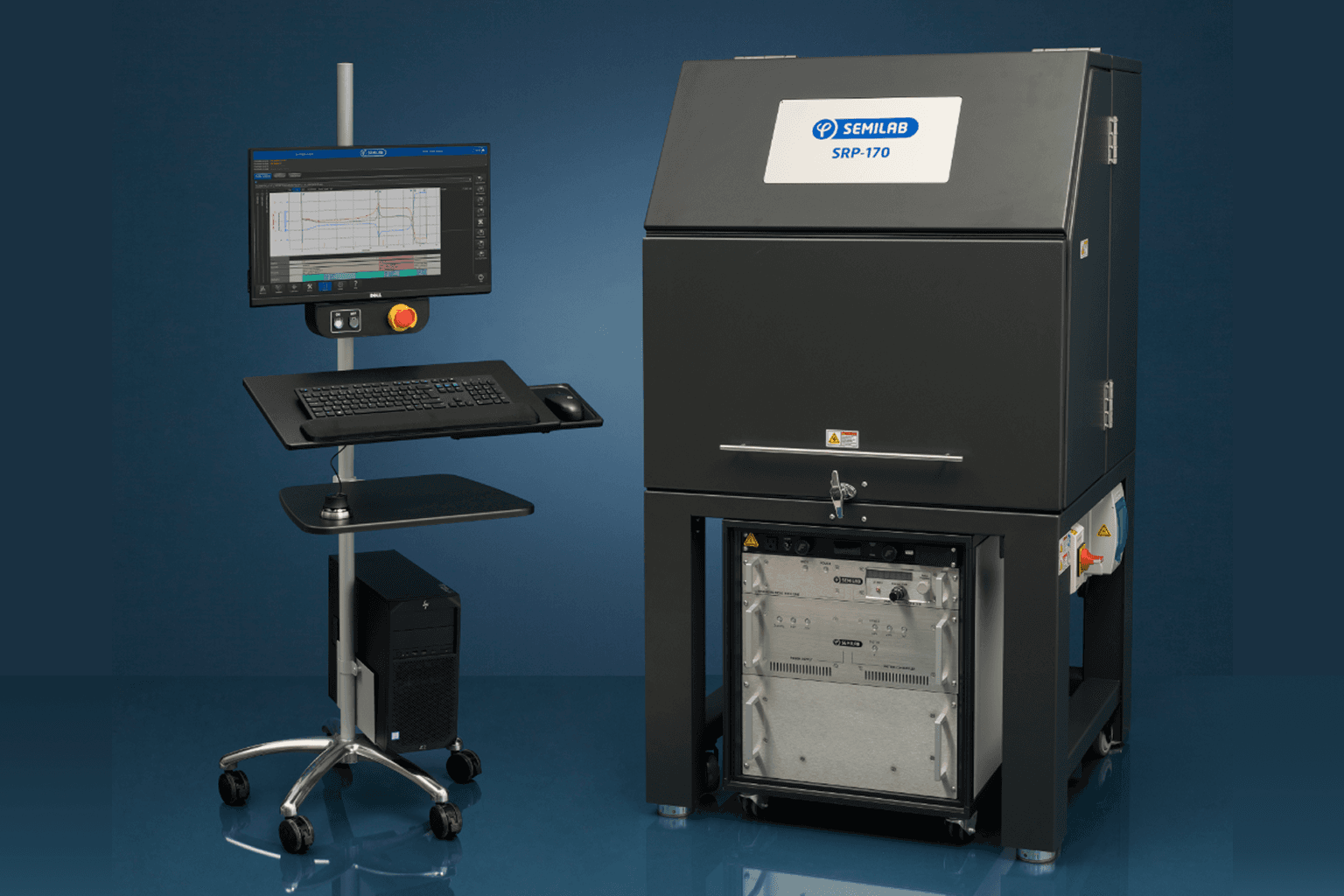
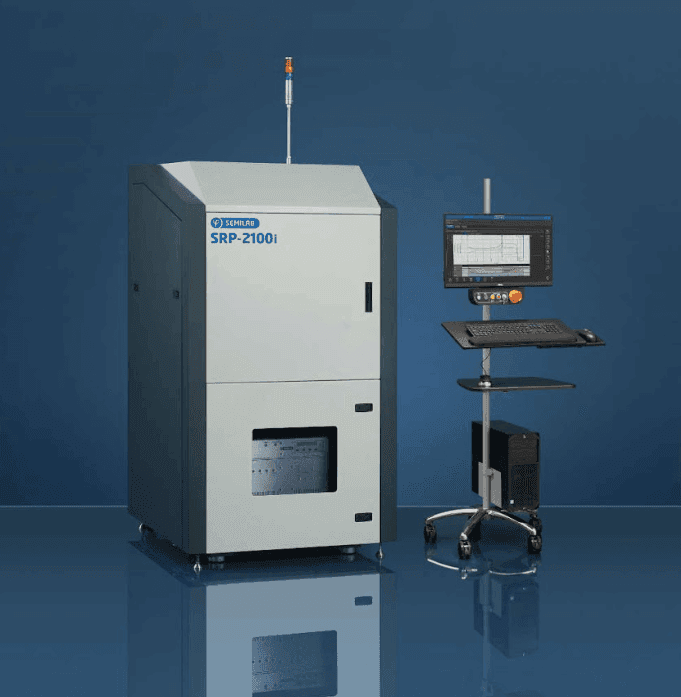
Silicon epitaxy is an essential building block in the manufacturing of complementary metal-oxide semiconductor (CMOS) devices. Accurate determination of epitaxial layer thickness is indispensable for a unicorn and reproducible process. In this paper, we compare thickness values of the transition zone (TZ) in silicon epitaxial wafers obtained by two of Semilab's production-compatible electrical and optical characterization techniques: Fourier-transform infrared (FTIR) reflectometry and Spreading resistance profiling (SRP). We demonstrate a high correlation between TZ thickness obtainedfrom the optical modeling of FTIR reflectance spectra and SRP profiles.The dependence of TZ thickness change on the high-temperature annealing steps is also examined. FTIR reflectometry thus offers a quick, contactless alternative for obtaining structural parameters of an epitaxial layer, and these values can be well matched to those given by SRP.
E. E. Najbauer, L. Sinkó, Sz. Biró, Z. Durkó, P. Basa
See our related products to this publication: